
Recovery After Bone Marrow Transplant in Children
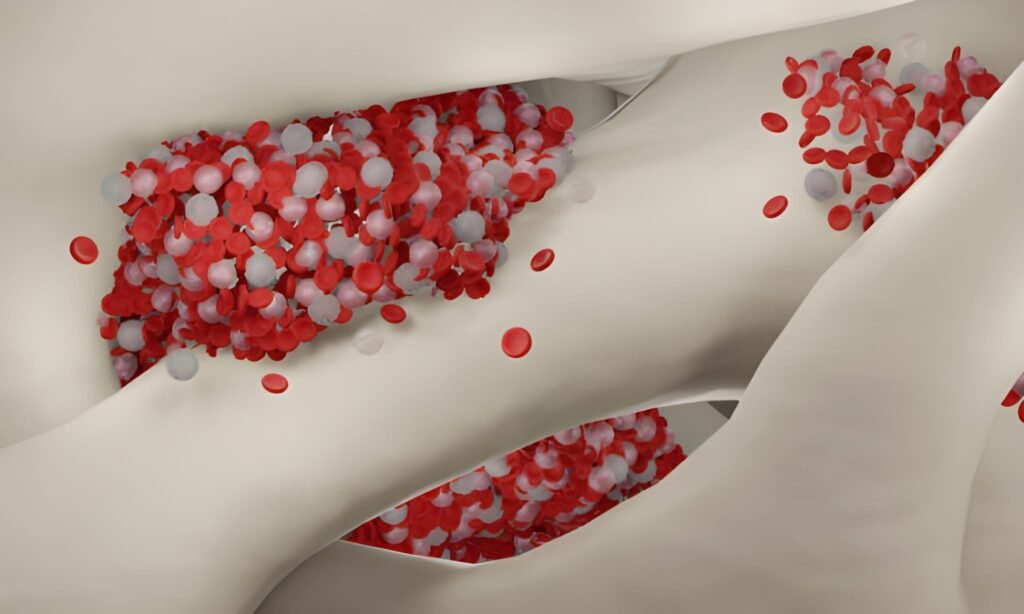
A bone marrow transplant (BMT) is a life-saving treatment for many childhood cancers and blood disorders. For parents, the procedure brings hope mixed with questions, especially about what happens after. Recovery after bone marrow transplant in children is a gradual process, but with proper care and support, most children heal well and return to everyday life.
This guide explains the bone marrow transplant recovery timeline, what to expect at each stage, and how parents can support their child physically and emotionally. It’s designed to offer clarity, guidance, and reassurance throughout your child’s healing journey.
Why BMT Recovery Takes Time
After a transplant, children receive new stem cells that grow into healthy blood cells through a process called engraftment. During this time, the immune system rebuilds gradually, making your child vulnerable to infections and side effects.
Most kids take a few months to get back to their normal selves, but there’s really no cookie-cutter answer here. How long recovery takes depends on a handful of things:
- Child’s age and overall health
- Type of transplant (autologous or allogeneic)
- Donor match quality
- Underlying condition being treated
- Presence of complications
Knowing what to expect makes it easier for parents to handle the ups and downs without panicking.
Bone Marrow Transplant Recovery Timeline in Children
What to expect after a pediatric bone marrow transplant:
Stage 1: The First Few Weeks – Hospital Recovery (Days 0-30)
Most children stay hospitalized for 3-6 weeks after transplant while engraftment begins.
What doctors monitor:
- White blood cell, red blood cell, and platelet counts
- Signs of infection or fever
- Early graft-versus-host disease (GVHD)
- Organ function
- Nutrition and hydration levels
Common side effects:
- Mouth sores and throat pain
- Fatigue and weakness
- Low appetite
- Nausea, vomiting, or diarrhea
- Skin rashes
- Fever
All these issues are treated in the hospital with medication and supportive care.
What parents can do:
- Stay close and offer emotional comfort
- Encourage small, frequent meals or liquids
- Maintain strict hygiene and handwashing
- Ask questions freely, your involvement matters
- Keep a positive, calm presence
Stage 2: Months 1-3 – Critical Healing at Home
Once stable, your child can go home. This is the most crucial phase of post-bone marrow transplant care in children.
Home Care Essentials:
- Keep the home clean and dust-free
- Avoid visitors and crowded places
- Ensure frequent handwashing for everyone
- Follow all medications on schedule
- Avoid school and public spaces until cleared
- Use masks when advised by doctors
- Monitor temperature daily
- Report any fever, rash, or unusual symptoms immediately
Diet After Bone Marrow Transplant
Good nutrition plays a key role in restoring the immune system after a transplant, and a balanced diet helps children regain their strength more quickly.
Recommended foods:
- Well-cooked vegetables and fresh fruits (thoroughly washed)
- Protein-rich foods: eggs, dal, chicken, paneer, fish
- Whole grains and homemade meals
- Plenty of fluids
- Fortified foods for vitamins
Foods to avoid:
- Raw or undercooked meat and fish
- Street food and outside meals
- Unpasteurized milk and dairy
- Raw sprouts and salads
- Unwashed fruits
A nutritious diet after a bone marrow transplant reduces infection risk and accelerates healing.
Stage 3: Months 3-12 – Rebuilding Strength and Immunity
During this phase, many children gradually return to normal activities.
Key improvements you’ll notice:
- Better appetite and energy levels
- Improved immunity and fewer infections
- Weight gain and physical growth
- Faster healing and stronger stamina
- Return of normal childhood activities
Regular Doctor Appointments
Frequent check-ups continue to monitor:
- Complete blood counts
- Organ function (liver, kidneys, heart)
- Growth and development milestones
- GVHD symptoms
- Immunity strength and vaccination readiness
Immune System Recovery After Transplant
It takes 6-12 months for the immune system to rebuild fully, sometimes longer. This is why infection prevention remains critical throughout the first year.
Graft-Versus-Host Disease (GVHD): What Parents Should Know
GVHD is one of the most critical complications to monitor during pediatric bone marrow transplant recovery. It occurs when donor cells recognize the child’s body as foreign and attack it.
Common GVHD symptoms:
- Skin rashes or discoloration
- Persistent diarrhea or stomach cramps
- Yellowing of eyes or skin (jaundice)
- Loss of appetite
- Dry, irritated eyes or mouth
- Liver function changes
Early detection and treatment make a huge difference. Report any unusual changes to your doctor immediately. Most GVHD cases are manageable with medication.
Emotional Recovery: Supporting Your Child’s Mental Health
Physical healing is only part of recovery. Children may feel scared, lonely, tired, irritable, or anxious. Some miss school, friends, and everyday activities.
How parents can support emotional healing:
- Talk calmly about their feelings and fears
- Encourage simple hobbies and creative activities
- Celebrate small milestones and progress
- Maintain consistent daily routines
- Give plenty of reassurance and affection
- Praise their strength and courage
- Connect with other families through support groups
Your calmness becomes their confidence. Children take emotional cues from parents, so maintaining hope and positivity helps them heal mentally.
Returning to School After Bone Marrow Transplant
Many parents ask: “When can my child go back to school after BMT?”
Most children return to school 6-12 months after transplant, depending on immunity recovery.
Doctors assess:
- White blood cell count and immunity strength
- Infection risk level
- Vaccination completion
- Physical stamina and energy
School requirements:
- Clean, hygienic classroom environment
- Flexible attendance policy
- Avoid exposure to sick classmates
- Permission to wear masks if needed
- Reduced physical activity initially
Returning too early increases the risk of infection, so always follow medical advice carefully.
Building Immunity After Bone Marrow Transplant
You can actively support your child’s immunity recovery with these steps:
- Nutritious Diet
Proteins, vitamins, and minerals naturally boost healing and cell growth. - Adequate Sleep
Quality rest helps the body rebuild new, healthy cells. - Strict Hygiene
Handwashing, mask use, and clean surroundings protect against infection. - Sun Protection
Some children become photosensitive, especially with GVHD. Use sunscreen and protective clothing. - Vaccination Schedule
Doctors create a post-transplant vaccination schedule as previous immunity is lost during transplant. - Avoid Infections
Stay away from sick people, crowded places, and anyone with contagious illnesses during the first year.
Life After Bone Marrow Transplant: What the Future Holds
With the help of modern medicine, the majority of children live normal, healthy and active lives after the transplant. They get back to school, games, friendships and day-to-day childhood activities.
Long-term success depends on:
- Early diagnosis and timely treatment
- Healthy recovery habits
- Regular medical follow-ups
- Strong family support and emotional care
The first year requires the most care. After that, children gradually regain strength and live without significant restrictions. Many become long-term survivors who thrive in all aspects of life.
Expert Care Makes All the Difference
Dr. Satyendra Katewa is a renowned pediatric hemato-oncologist and BMT specialist in India, with more than 25 years of experience in performing successful bone marrow transplants for children. Trained internationally at Toronto’s Hospital for Sick Children (SickKids), he combines world-class expertise with a compassionate, family-focused approach, supporting families throughout every stage of the recovery process.
From pre-transplant preparation to long-term survivorship care, Dr. Katewa ensures children receive world-class treatment with the best possible outcomes.
Final Thoughts for Parents
Recovery after bone marrow transplant in children may seem overwhelming at first, but it gets easier with time. With the proper guidance, medical support, and emotional care, children heal beautifully and return to their joyful, active lives.
As a parent, your support is the most significant factor in your child’s healing. Recovery happens in the little things; each meal, each medicine, and each kind word helps them grow stronger.
Stay patient, stay hopeful, and trust the process. Your child’s strength, combined with your love and expert medical care, creates the foundation for complete recovery and a bright, healthy future.
For expert bone marrow transplant care and post-transplant support, contact Dr. Satyendra Katewa’s clinic today.
Remember: Recovery is a journey, not a race. Every child heals at their own pace, and with proper care, most children return to full, vibrant lives.

 WhatsApp