
Best Treatment Options for Leukaemia in Children
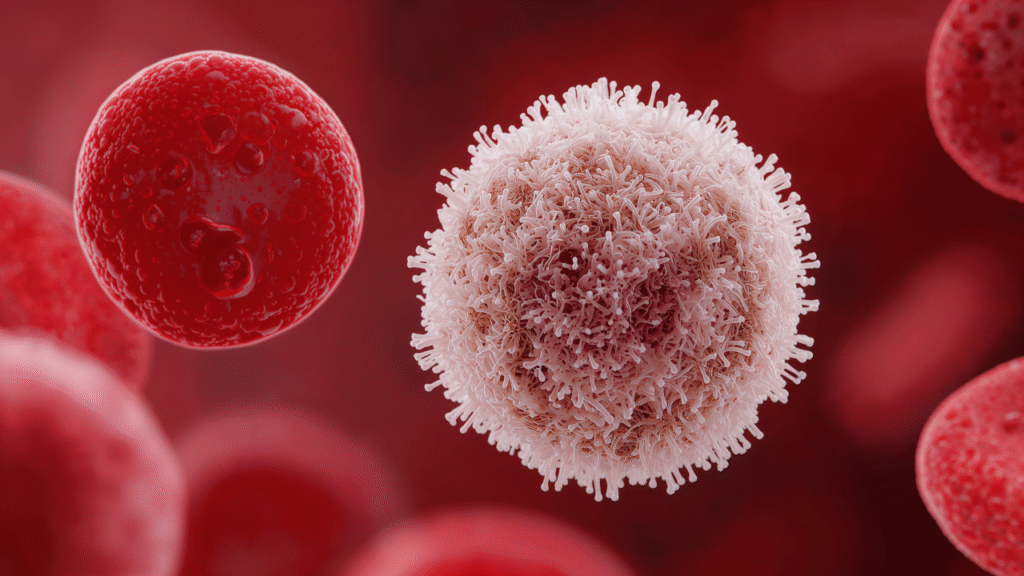
Leukaemia is the most common cancer affecting children. If your child has been diagnosed with leukaemia, it’s natural to feel overwhelmed with questions and concerns. The good news is that advances in medical care have made childhood leukaemia highly treatable, and many children achieve complete recovery with timely, appropriate therapy.
This guide explores the best treatment options for leukaemia in children, how they work, and what parents can expect during the treatment journey.
Understanding Childhood Leukaemia
Leukaemia is a cancer that affects the blood and bone marrow, the body’s blood-producing tissue. In children, leukaemia occurs when abnormal white blood cells grow uncontrollably, interfering with the production of healthy blood cells.
Two Main Types of Childhood Leukaemia:
- Acute Lymphoblastic Leukaemia (ALL)
The most common form, accounting for about 75% of childhood leukaemia cases. It affects lymphoid cells and generally has excellent cure rates with modern treatment. - Acute Myeloid Leukaemia (AML)
Less common but more aggressive, affecting myeloid cells. Requires intensive treatment but is also highly treatable.
The type of leukaemia diagnosed influences the treatment for childhood leukaemia and its duration. Early detection and prompt therapy significantly improve outcomes.
Is Leukaemia Curable in Children?
Yes, leukaemia is highly curable in children, especially when diagnosed early. Advances in pediatric leukaemia treatment have increased survival rates dramatically over the past few decades.
Current survival rates:
- ALL: Over 90% long-term survival with modern treatment
- AML: 60-70% survival rates, continuing to improve
With the right leukaemia treatment for children, including chemotherapy, targeted therapy, or bone marrow transplantation, most children respond well and go on to live healthy, normal lives.
Factors Influencing Treatment Success:
- Type and subtype of leukaemia
- Child’s age and overall health
- Response to initial therapy
- Presence of high-risk genetic features
- Access to specialized pediatric oncology care
Best Treatment Options for Leukaemia in Children
1. Chemotherapy
Chemotherapy is the cornerstone of childhood leukaemia treatment. It uses powerful medications that target and destroy rapidly dividing cancer cells throughout the body.
How it works:
Chemotherapy drugs circulate through the bloodstream, attacking leukaemia cells in the bone marrow, blood, and other organs.
Treatment phases for ALL:
Induction Phase (4-6 weeks):
Aims to destroy most leukaemia cells and achieve remission. Success rate exceeds 95% in ALL.
Consolidation/Intensification Phase (several months):
Eliminates remaining leukaemia cells and prevents spread to the brain and central nervous system.
Maintenance Phase (2-3 years):
Long-term, lower-dose chemotherapy prevents relapse. This is the longest phase but allows children to return to many normal activities.
Administration methods:
- Oral medications (pills or liquids)
- Intravenous (through IV)
- Intrathecal (directly into spinal fluid to prevent central nervous system relapse)
Modern chemotherapy protocols have dramatically improved cure rates while minimizing side effects through advanced supportive care.
2. Bone Marrow or Stem Cell Transplant
A bone marrow transplant (BMT) may be recommended for children with high-risk leukaemia, those who relapse after chemotherapy, or certain AML cases.
How it works:
Healthy stem cells from a donor (or the child’s own previously collected cells) are transplanted to replace diseased bone marrow.
Types of transplant:
- Allogeneic transplant: Uses stem cells from a compatible donor (sibling, parent, or unrelated donor)
- Autologous transplant: Uses the child’s own previously collected healthy stem cells
Bone marrow transplants can be life-saving, especially for children with aggressive leukaemia or those who don’t respond adequately to chemotherapy alone. Dr. Satyendra Katewa specializes in pediatric BMT with international training and proven success.
3. Targeted Therapy
Targeted therapy is a newer, more precise approach in pediatric leukaemia treatment that focuses on specific genetic mutations or proteins in leukaemia cells.
How it works:
These drugs target specific molecular changes that allow leukaemia cells to grow and survive, while sparing most healthy cells.
Examples:
- Tyrosine kinase inhibitors (TKIs) for Philadelphia chromosome-positive ALL
- FLT3 inhibitors for certain AML cases
- BCL-2 inhibitors for specific leukaemia subtypes
Benefits:
- More precise than traditional chemotherapy
- Potentially fewer side effects
- Improved outcomes for specific leukaemia types
Targeted therapy is often used alongside chemotherapy or after relapse to enhance treatment success.
4. Immunotherapy and CAR-T Cell Therapy
Immunotherapy harnesses the body’s immune system to fight cancer. This revolutionary approach has transformed outcomes for relapsed or resistant leukaemia.
CAR-T cell therapy is a groundbreaking treatment where:
A child’s own immune cells (T-cells) are collected, modified in a lab to recognize and attack leukaemia cells and finally infused back into the child’s body to destroy cancer
CAR-T therapy has shown remarkable success in children with relapsed B-cell ALL, offering hope when other treatments fail.
5. Radiation Therapy
Radiation therapy is less commonly used but plays a role in specific situations:
- Preparing for bone marrow transplant (total body irradiation)
- Treating leukaemia that has spread to the brain or spinal cord
- Managing specific high-risk cases
Radiation carefully targets affected areas while minimizing exposure to healthy tissues, especially important in growing children.
6. Clinical Trials and Emerging Therapies
Many children benefit from clinical trials, which offer access to the latest innovative treatments:
- Novel immunotherapy approaches
- New targeted agents
- Combination therapies
- Less toxic treatment protocols
Clinical trials are closely monitored and may provide additional options for children with high-risk or relapsed leukaemia. Participation is voluntary and can offer cutting-edge care.
Supportive Care: Essential for Treatment Success
Alongside active treatment, supportive care is vital for a child’s well-being and treatment tolerance:
Physical support:
- Managing side effects (nausea, fatigue, pain)
- Preventing and treating infections
- Blood and platelet transfusions when needed
- Nutritional support to maintain strength
Emotional support:
- Counseling for child and family
- Support groups with other families
- Child life specialists to help cope with hospitalization
- School reintegration support
Infection prevention:
- Hand hygiene protocols
- Avoiding crowded places during low immunity
- Prompt treatment of any fever
- Vaccination schedules adjusted for safety
Supportive care ensures children can tolerate treatment effectively and recover faster, both physically and emotionally.
What to Expect During Treatment
Treatment timeline:
- ALL treatment: Typically 2-3 years
- AML treatment: Usually 6-12 months of intensive therapy
Common side effects (manageable with medication):
- Temporary hair loss
- Nausea and reduced appetite
- Fatigue and weakness
- Increased infection risk
- Mouth sores
- Mood changes
Most side effects are temporary and resolve after treatment ends. Modern supportive medications have made treatment much more tolerable than in the past.
A Message of Hope for Parents
If your child is diagnosed with leukaemia, it’s natural to feel anxious and overwhelmed. Remember: childhood leukaemia is highly treatable, and modern therapies have made it one of the most curable childhood cancers.
Your role as a parent matters:
- Maintain routines and normalcy when possible
- Encourage age-appropriate activities during treatment
- Stay connected with the healthcare team
- Ask questions freely
- Take care of your own emotional health
- Celebrate small victories along the way
With timely intervention, expert care, and family support, most children with leukaemia go on to lead completely healthy, fulfilling lives.
For expert childhood leukaemia treatment and compassionate family support, consult with Dr. Satyendra Katewa today.

 WhatsApp