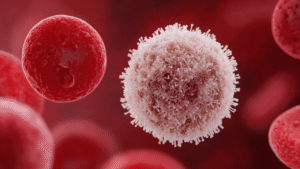
CAR T Cell Therapy in Delhi
Facing leukaemia or lymphoma can feel overwhelming, but advances like CAR T-cell therapy in India have brought new hope for patients who do not respond to standard treatments. CAR T-therapy reprogrammes a patient’s own immune cells to find and destroy cancer cells with remarkable precision.
Under the care of Dr. Satyendra Katewa, a trusted paediatric oncologist and one of the leading CAR T-therapy specialists in Delhi, patients receive evidence-based, safe, and highly monitored CAR T-cell treatment. His expertise in paediatric haemato-oncology, leukaemia care, and immunotherapy ensures that each patient receives personalised, compassionate, and scientifically advanced treatment planning.
Whether you are seeking CAR T-cell therapy in Delhi or evaluating advanced options for leukaemia or relapsed lymphoma, this therapy represents a life-changing opportunity for long-term remission and improved quality of life.
What Is CAR T-Cell Therapy and How Does It Work?
CAR T-cell therapy (Chimeric Antigen Receptor T-cell therapy) is an advanced form of immunotherapy used primarily for certain leukaemias and lymphomas that have not responded to conventional treatments.
The process involves:
- Collecting T-cells: Immune cells are collected from the patient’s blood via leukapheresis.
- Modifying in the laboratory: These T cells are genetically engineered to express specialised receptors called CARs on their surfaces.
- Multiplying the cells: The modified cells are grown in large numbers, creating millions of cancer-fighting cells.
- Infusing back into the patient: The engineered CAR T cells are returned to the patient’s bloodstream via intravenous infusion.
These reprogrammed T-cells actively seek out and destroy cancer cells, even when chemotherapy and other treatments have failed. The CAR enables T-cells to recognise specific proteins on cancer cell surfaces, targeting them with precision whilst sparing healthy cells.
When Is CAR T-Cell Therapy Recommended?
CAR T-cell therapy is considered when blood cancer does not respond to standard treatments or returns after initial recovery. Haematology and immunotherapy specialists recommend it when it offers the best chance for disease control and improved survival.
Relapsed or Refractory Blood Cancer
CAR T-cell therapy for leukaemia is often recommended for:
- Acute lymphoblastic leukaemia (ALL) in children and young adults
- Diffuse large B-cell lymphoma (DLBCL)
- Follicular lymphoma
- Mantle cell lymphoma
- Multiple myeloma
The therapy is particularly valuable when chemotherapy, immunotherapy, or stem cell transplantation are no longer effective.
Cancer that Keeps Returning
If cancer improves initially but continues to relapse, CAR T-cell therapy may provide a more durable and targeted response. The engineered cells can persist in the body for months to years, providing ongoing surveillance against cancer recurrence.
Persistent or Worsening Symptoms
Patients experiencing symptoms indicating active disease may benefit from CAR T-therapy:
- Enlarged lymph nodes that don’t respond to treatment
- Unexplained persistent fevers
- Severe fatigue affecting daily activities
- Unintentional weight loss
- Drenching night sweats
- Bone or joint pain
- Frequent infections due to low blood counts
Limited Response to Previous Treatments
When multiple lines of chemotherapy, targeted therapy, or other treatments stop working or cause intolerable side effects, CAR T-cell therapy offers an alternative approach with different mechanisms of action.
Part of Planned Treatment Pathway
Your doctor may recommend CAR T-therapy:
- As a bridge to bone marrow transplantation in high-risk patients
- After previous treatments to prevent relapse in aggressive cancers
- Alongside supportive care to achieve disease stability
- When eligibility for CAR T therapy in Delhi is established through a comprehensive evaluation
Diagnostic Tests Before CAR T-Cell Therapy
Before starting CAR T-cell therapy, patients undergo detailed tests to confirm eligibility, understand the cancer’s biology, and ensure the body is ready for treatment. This comprehensive evaluation ensures the therapy is safe, personalised, and effective.
Disease Assessment Studies
- PET-CT Scan / CT Scan: Evaluates the extent of lymphoma or leukaemia, measures metabolically active disease, and establishes a baseline for monitoring response.
- Bone Marrow Biopsy: Confirms the presence of cancer cells in bone marrow, evaluates disease severity, and checks for genetic or molecular abnormalities that might affect treatment.
- Immunophenotyping (Flow Cytometry): A crucial test detecting markers such as CD19 or BCMA on cancer cells, ensuring the malignancy is suitable for available CAR T-cell products.
Fitness and Safety Evaluation
- Comprehensive Blood Tests: Including complete blood count (CBC), liver and kidney function tests, viral screening (HIV, hepatitis B and C, CMV), and coagulation profile to ensure medical fitness.
- Cardiac Evaluation: Electrocardiogram (ECG) and echocardiography assess heart health before lymphodepleting chemotherapy and CAR T-cell infusion.
- Pulmonary Function Tests: Evaluate lung capacity and function, ensuring patients can tolerate the treatment and potential side effects.
- Infection Screening: Because CAR T-therapy temporarily lowers immunity, identifying and treating active infections beforehand is essential for safety.
- Neurological Assessment: Baseline evaluation of memory, cognition, and behaviour helps monitor for neurological side effects during and after treatment.
Molecular and Genetic Testing
- Genetic Profiling: Identifies specific mutations and chromosomal abnormalities that predict treatment response and guide personalised therapy planning.
- Minimal Residual Disease (MRD) Testing: Highly sensitive testing detects very low levels of cancer, helping establish precise disease burden before treatment.
These comprehensive evaluations ensure each patient receives safe, precise, and outcome-driven CAR T-cell therapy with the best possible chances of achieving remission.
Step-by-Step CAR T-Cell Therapy Process in Delhi
CAR T-cell therapy is a highly advanced form of immunotherapy requiring careful planning and execution. Under the expert care of Dr. Satyendra Katewa, every step is carefully monitored to ensure safety, effectiveness, and optimal outcomes.
Before CAR T-Cell Therapy Begins
- Comprehensive Evaluation: Detailed medical history, physical examination, and review of all diagnostic tests determine suitability for therapy.
- Treatment Planning: Development of a personalised CAR T-cell treatment plan based on cancer type, disease burden, previous treatments, and overall health status.
- Patient and Family Counselling: Thorough discussion about the procedure, expected benefits, potential risks, CAR T-cell treatment side effects, recovery timeline, and long-term follow-up requirements.
- Insurance and Financial Planning: Clear information about CAR T therapy cost in Delhi, insurance coverage, and available financial support programmes.
T-Cell Collection (Leukapheresis)
The process begins with collecting healthy T-cells from your blood:
- Procedure: Similar to blood donation, leukapheresis uses a specialised machine that separates and collects T-cells whilst returning other blood components to your body.
- Duration: Typically takes 3-4 hours and is performed as an outpatient procedure.
- Comfort: The process is generally well-tolerated with minimal discomfort. Patients can read, watch videos, or rest during collection.
- Safety: Performed by experienced specialists with continuous monitoring to ensure patient comfort and safety.
T-Cell Engineering and Manufacturing
After collection, your T-cells undergo sophisticated genetic modification:
- Laboratory Processing: T-cells are sent to a specialised Good Manufacturing Practice (GMP) facility where genetic engineering occurs.
- CAR Introduction: Scientists use viral vectors to introduce the CAR gene into your T-cells, enabling them to recognise specific proteins on cancer cells.
- Cell Expansion: Modified cells are cultured and multiplied over 2-4 weeks, producing millions of CAR T-cells.
- Quality Control: Rigorous testing ensures the CAR T-cells meet safety and efficacy standards before release.
- Manufacturing Time: The entire process typically takes 3-4 weeks from collection to product availability.
Lymphodepleting Chemotherapy
Before CAR T-cell infusion, patients receive preparative chemotherapy:
- Purpose: Low-dose chemotherapy temporarily reduces the number of existing immune cells, creating space for CAR T-cells to expand and function optimally.
- Timing: Usually administered 3-7 days before CAR T-cell infusion.
- Drugs Used: Typically, fludarabine and cyclophosphamide are given intravenously over 3 days.
- Side Effects: Generally mild, including temporary fatigue, low blood counts, and mild nausea, all managed with supportive medications.
CAR T-Cell Infusion
The actual infusion of CAR T-cells is straightforward:
- Preparation: Frozen CAR T-cells are thawed and prepared for immediate infusion.
- Infusion Process: CAR T-cells are administered through an intravenous line, similar to a blood transfusion, typically taking 15-30 minutes.
- Monitoring: Vital signs are checked frequently during and immediately after infusion. Patients are observed for any immediate reactions.
- No Anaesthesia Needed: The infusion is painless and requires no sedation or anaesthesia.
- Beginning of Action: Once infused, CAR T-cells begin circulating, seeking out and destroying cancer cells throughout the body.
Immediate Post-Infusion Monitoring
Close monitoring in the hospital is essential for early detection and management of side effects:
- Hospital Stay: Patients typically remain hospitalised for 7-14 days post-infusion for intensive monitoring.
- Vital Signs Monitoring: Regular checks of temperature, blood pressure, heart rate, and oxygen levels.
- Neurological Assessments: Frequent evaluation of alertness, orientation, speech, and motor function to detect early signs of neurotoxicity.
- Laboratory Tests: Daily blood tests monitor blood counts, organ function, and inflammatory markers.
- Cytokine Release Syndrome (CRS) Surveillance: Close monitoring for fever, low blood pressure, difficulty breathing, or other signs of CRS, the most common CAR T-cell treatment side effect.
- Supportive Care: Intravenous fluids, medications to manage side effects, blood transfusions if needed, and nutritional support.
Understanding CAR T-Cell Treatment Side Effects
Whilst CAR T-cell therapy can be highly effective, it may cause specific side effects requiring expert management. Dr. Katewa’s team is experienced in recognising and treating these effects efficiently.
Cytokine Release Syndrome (CRS)
What It Is: An immune reaction caused by the rapid activation and multiplication of CAR T-cells, releasing inflammatory proteins called cytokines.
Symptoms: Fever (usually the first symptom), fatigue, headache, rapid heart rate, low blood pressure, difficulty breathing, and, in severe cases, organ dysfunction.
Timing: Typically occurs within the first week after infusion, most commonly 1-5 days post-treatment.
Management: Tocilizumab (an anti-inflammatory medication) effectively controls CRS in most cases. Steroids may be added for severe symptoms. Supportive care includes oxygen therapy, intravenous fluids, and blood pressure support when needed.
Grading: CRS is graded from mild (Grade 1) to severe (Grade 4). Most patients experience mild to moderate CRS that responds well to treatment.
Immune Effector Cell-Associated Neurotoxicity Syndrome (ICANS)
What It Is: Neurological side effects resulting from immune activation affecting the nervous system.
Symptoms: Confusion, difficulty speaking or understanding, tremors, changes in handwriting, seizures (rare), or altered consciousness.
Timing: Usually appears 4-7 days after infusion, but can occur earlier or later.
Management: Careful neurological monitoring, anti-seizure medications if needed, and steroids to reduce inflammation. Most neurological symptoms resolve completely within days to weeks.
Monitoring: Nurses perform frequent neurological assessments using standardised scoring systems to detect early changes.
Cytopaenias (Low Blood Counts)
What It Is: Reduction in blood cell counts due to lymphodepleting chemotherapy and CAR T-cell effects on bone marrow.
Effects: Low white blood cells (infection risk), low platelets (bleeding risk), low red blood cells (anaemia and fatigue).
Duration: Blood counts typically begin to recover 2-4 weeks after infusion, though some patients experience prolonged cytopaenias lasting months.
Management: Blood and platelet transfusions when needed, growth factor injections to stimulate blood cell production, and careful infection monitoring with prophylactic antibiotics.
Infections
Risk: Temporary immune suppression increases susceptibility to infection, particularly during the first month after treatment.
Prevention: Prophylactic antibiotics, antivirals, and antifungals reduce the risk of infection. Patients are advised to avoid crowds and sick contacts.
Monitoring: Any fever requires immediate evaluation. Prompt antibiotic treatment prevents serious infections.
Duration: Infection risk gradually decreases as immune function recovers over weeks to months.
Tumour Lysis Syndrome
What It Is: Rapid breakdown of cancer cells releases cellular contents into the bloodstream, potentially affecting kidney and heart function.
Prevention: Intravenous hydration and medications (allopurinol or rasburicase) prevent complications.
Monitoring: Frequent blood tests track kidney function, electrolytes, and uric acid levels.
Most CAR T-cell treatment side effects occur within the first 2-4 weeks after infusion and are manageable with experienced care. Dr. Katewa’s team provides 24/7 monitoring and rapid intervention, ensuring patient safety throughout treatment.
Recovery and Post-Care After CAR T-Cell Therapy
Recovery focuses on monitoring immune response, managing side effects, and ensuring safe restoration of blood counts and immunity. Recovery time varies based on disease type, prior treatments, and overall health.
Hospital Stay and Immediate Care
Duration: Patients typically remain in the hospital for 7-14 days post-infusion, sometimes longer if complications require extended monitoring.
Monitoring: Continuous observation for cytokine release syndrome, neurotoxicity, infections, and blood count recovery.
Supportive Care: Intravenous fluids, medications, nutritional support, blood transfusions, and physiotherapy maintain comfort and function.
Transition to Home Recovery
Discharge Criteria: Stable vital signs, resolving side effects, ability to eat and drink, and a safe home environment with caregiver support.
Proximity Requirement: Patients must remain within 1-2 hours of the treatment centre for at least 30 days post-infusion for rapid evaluation if problems arise.
Daily Activity: Rest is important, but gentle activity is encouraged. Gradually increase activity as energy improves.
Medication Adherence: Take all prescribed medications exactly as directed, including infection prophylaxis and supportive treatments.
Nutrition and Hydration
- Protein-Rich Foods: Include eggs, dal, paneer, lean meats, fish, and pulses to support healing and immune recovery.
- Fruits and Vegetables: Provide essential vitamins, minerals, and antioxidants. Wash thoroughly or choose cooked options during high-infection-risk periods.
- Hydration: Drink 8-10 glasses of water daily, unless otherwise advised, to support kidney function and overall recovery.
- Food Safety: Avoid raw or undercooked foods, unpasteurised dairy, street food, and foods prepared in unhygienic conditions.
Infection Prevention
- Hand Hygiene: Frequent handwashing with soap and water or alcohol-based sanitisers.
- Avoiding Exposure: Stay away from crowded places, people with infections, and young children attending nursery or school.
- Prompt Reporting: Contact your medical team immediately if you have a fever (temperature above 38°C), chills, cough, breathing difficulty, or any concerning symptoms.
- Prophylactic Medications: Continue all prescribed antibiotics, antivirals, and antifungals to prevent opportunistic infections.
Follow-Up Schedule
- Frequent Initial Visits: 2-3 times weekly for the first month, gradually decreasing to weekly, then fortnightly as stability improves.
- Monitoring Tests: Complete blood counts, organ function tests, disease assessment through blood markers, imaging studies, and bone marrow evaluation as needed.
- Long-Term Surveillance: Regular follow-ups continue for years, monitoring for late effects, disease response, and overall health.
- Teleconsultation: Available for international patients, enabling ongoing care coordination after returning home.
Managing Common Post-Therapy Effects
- Fatigue: Common and may persist for months. Balance rest with gentle exercise, gradually increasing activity as tolerated.
- Low Blood Counts: May require ongoing transfusions or growth factor support until bone marrow recovers fully.
- Cognitive Changes: Mild memory or concentration difficulties usually improve over weeks to months. Cognitive exercises and rest help recovery.
- Emotional Adjustment: Anxiety or depression during recovery is normal. Psychological support, counselling, and support groups provide valuable assistance.
CAR T-Cell Therapy Cost in Delhi
The cost of CAR T therapy in Delhi generally ranges from ₹25,00,000 to ₹45,00,000, depending on several factors.
Factors Affecting CAR T Therapy Cost in Delhi
- Disease Type and Severity: Treatment costs vary depending on whether treating acute leukaemia, lymphoma, or multiple myeloma, and disease severity at treatment initiation.
- CAR T Product Selection: Different CAR T-cell products are approved for different cancers, with varying manufacturing and licensing costs.
- Hospital Category: Treatment at specialised cancer centres with dedicated CAR T programmes, intensive care capabilities, and experienced CAR T-therapy specialists may involve higher costs reflecting advanced facilities and expertise.
- Hospitalisation Duration: The length of hospital stay depends on treatment response and side-effect management. Uncomplicated courses may require 7-10 days, whilst complicated cases needing intensive care increase overall costs.
- Supportive Care Requirements: Management of cytokine release syndrome, neurotoxicity, infections, blood transfusions, and growth factors adds to treatment expenses.
- Diagnostic Testing: Comprehensive pre-treatment evaluation, disease monitoring during therapy, and post-treatment surveillance involve significant testing costs.
- Medications: Tocilizumab for CRS management, prophylactic antimicrobials, growth factors, and other supportive medications contribute to total costs.
Additional Costs for International Patients
- Medical Visa Support: Assistance with visa applications and documentation.
- Travel and Accommodation: Extended stays (typically 4-6 weeks minimum) require accommodation for the patient and caregivers.
- Local Transportation: Regular hospital visits and emergency access arrangements.
- Follow-Up Care: Post-treatment monitoring, investigations, and consultations before returning home.
Transparent cost discussions occur during initial consultation, allowing families to plan appropriately for this potentially life-saving treatment.
CAR T Therapy Success Rate in Delhi
CAR T-cell therapy has demonstrated remarkable efficacy in treating relapsed or refractory blood cancers, with success rates varying by cancer type and patient characteristics.
Acute Lymphoblastic Leukaemia (ALL)
- Overall Response Rate: 70-90% of patients achieve complete remission after CAR T-cell therapy for leukaemia.
- Durable Remissions: Approximately 50-60% of responders maintain remission long-term, representing a potential cure for these previously treatment-resistant cancers.
- Paediatric Success: CAR T therapy success rate in children with relapsed ALL is particularly encouraging, with many achieving sustained disease-free survival.
Large B-Cell Lymphoma
- Response Rates: 50-80% of patients show significant tumour shrinkage, with 40-50% achieving complete remission.
- Long-Term Outcomes: Many patients with complete remissions remain disease-free for years, suggesting durable benefit.
Factors Affecting Success
- Disease Severity: Patients with lower disease burden at treatment typically achieve better outcomes.
- Prior Treatments: The number and type of previous therapies influence response rates.
- Age and Fitness: Younger patients with better overall health often tolerate treatment better and achieve superior results.
- Early Intervention: CAR T-therapy earlier in the disease course, before extensive treatment resistance develops, improves the success rate.
Dr. Katewa provides realistic expectations based on individual patient characteristics and the latest clinical data, ensuring families make informed decisions.
Why Choose Dr. Satyendra Katewa for CAR T-Cell Therapy?
Expert CAR T-Therapy Specialist in Delhi
Dr. Satyendra Katewa is recognised as a leading CAR T-therapy specialist in Delhi with extensive experience treating complex blood cancers unresponsive to conventional therapies. His expertise includes:
- CAR T-cell therapy for leukaemia and lymphoma
- Management of therapy-related complications
- Integration with bone marrow transplantation when appropriate
- Comprehensive supportive care protocols
Specialised Paediatric Expertise
As one of India’s most respected paediatric haemato-oncologists, Dr. Katewa provides:
- Tailored CAR T-therapy for children with high-risk leukaemia
- Age-appropriate dosing and monitoring protocols
- Family-centred care addressing unique paediatric needs
- Developmental considerations throughout treatment
Personalised Treatment Planning
Every patient receives an individualised evaluation determining:
- Eligibility for CAR T therapy in Delhi
- Optimal timing for treatment
- Best CAR T product for a specific cancer type
- Comprehensive care plan addressing medical and psychosocial needs
Advanced Facilities and Technology
Dr. Katewa’s treatment centre offers:
- Specialised CAR T-cell infusion and monitoring units
- Intensive care capabilities for managing complications
- State-of-the-art laboratories for disease monitoring
- Infection-controlled environments minimise risk
Comprehensive Supportive Care
Treatment extends beyond CAR T-cell infusion to include:
- Expert management of cytokine release syndrome and neurotoxicity
- 24/7 monitoring and rapid intervention capabilities
- Nutritional, psychological, and rehabilitation support
- Careful follow-up ensuring long-term success
Transparent, Patient-Centred Approach
Dr. Katewa emphasises:
- Clear communication about the treatment process, risks, and benefits
- Transparent discussion of CAR T therapy cost in Delhi
- Shared decision-making involving patients and families
- Ongoing support throughout the treatment journey
Excellent Outcomes and Experience
Known for:
- High CAR T therapy success rates
- Expertise in managing complex and high-risk cases
- Strong reputation among referring physicians
- Positive patient experiences and testimonials
Patients trust Dr. Katewa for his clinical excellence, compassionate care, and commitment to achieving the best possible outcomes for every individual.
Book an Appointment for CAR T-Cell Therapy in Delhi
If you or your child has relapsed or high-risk leukaemia or lymphoma, timely evaluation for CAR T-cell therapy is essential. You may consult Dr. Satyendra Katewa for personalised assessment and treatment planning.
During your consultation, you will receive:
- Comprehensive evaluation of cancer type, stage, and treatment history
- Clear explanation of what CAR T-cell therapy is for leukaemia and how it works
- Discussion of eligibility criteria and expected outcomes
- Information about the treatment timeline and recovery process
- Transparent cost estimates and financial planning assistance
- Opportunity to ask questions and address concerns
Book your appointment today to explore whether CAR T-cell therapy offers the right treatment option for your specific situation.
International Patients – CAR T-Cell Therapy in Delhi
Dr. Katewa welcomes international patients seeking world-class CAR T-cell therapy in Delhi. Delhi offers advanced immunotherapy with experienced specialists at more accessible costs than in many Western countries.
Comprehensive International Patient Support
Our dedicated team assists with:
- Medical visa facilitation and documentation
- Airport transfers and local transportation arrangements
- Accommodation recommendations near treatment facilities
- Treatment coordination and scheduling
- Clear cost estimates for the complete treatment course
- Communication with home country physicians
- Post-treatment follow-up via teleconsultation
- Medication access and ongoing care planning
Contact us today to discuss your CAR T-cell therapy needs and arrange comprehensive care in Delhi, India.
Related Blogs
Best Treatment Options for Leukaemia in Children
Leukaemia is the most common cancer affecting children. If your child has been diagnosed with…
Read Article →
Recovery After Bone Marrow Transplant in Children
A bone marrow transplant (BMT) is a life-saving treatment for many childhood cancers and blood…
Read Article →
Early Signs of Blood Cancer in Children: What Every Parent Should Know
Seeing your child unwell can make any parent anxious. Most childhood illnesses, such as fever,…
Read Article →