
Sickle Cell Anemia in Children: Symptoms, Causes & Treatment
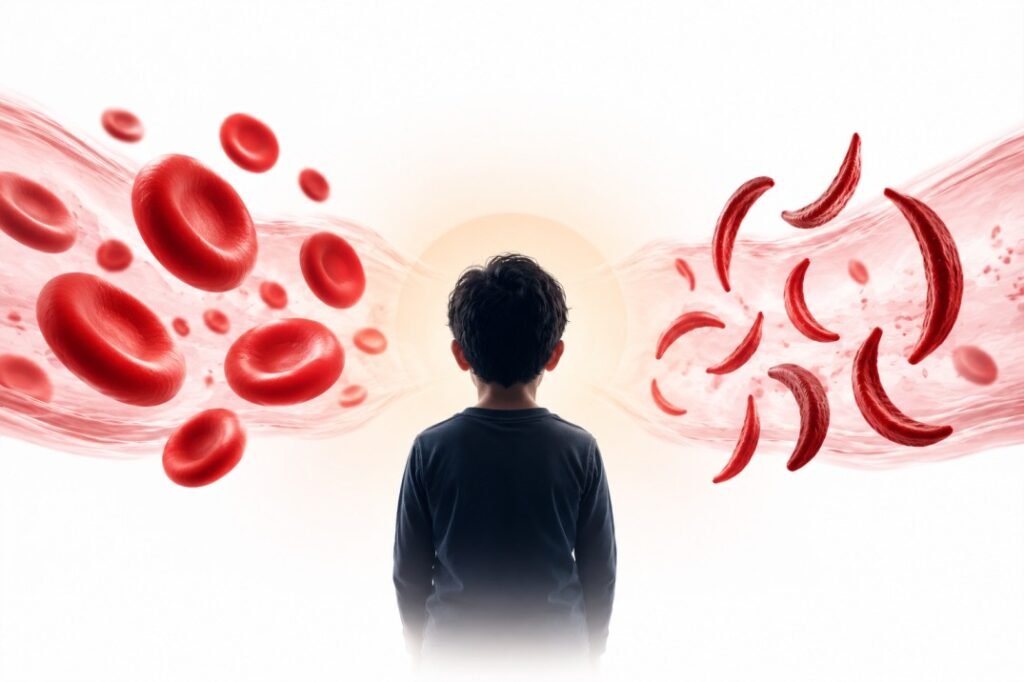
Sickle cell anaemia is a lifelong inherited blood disorder that affects how red blood cells carry oxygen throughout the body. When these cells become sickle-shaped, they can break down prematurely and obstruct blood flow, leading to a range of health complications.
This article explains everything parents need to know about sickle cell anaemia, from early symptoms and diagnosis to modern treatment options and curative bone marrow transplant.
What is Sickle Cell Anaemia?
Inside every red blood cell is a protein called haemoglobin, which carries oxygen from the lungs to the rest of the body. In sickle cell anaemia, a change in the gene that makes haemoglobin causes it to form a faulty version called haemoglobin S.
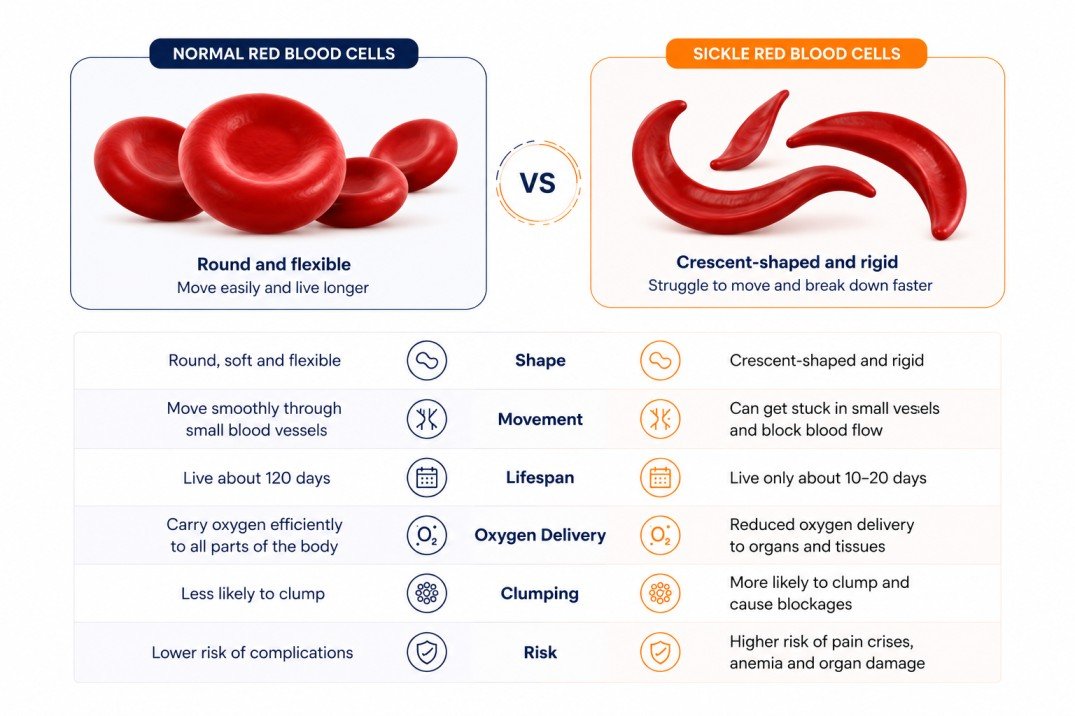
When oxygen levels in the blood drop, even briefly, haemoglobin S clumps together inside the red blood cell. This forces the cell to change shape from a smooth, flexible disc into a stiff, crescent or “sickle” shape.
Read more – Sickle Cell Disease Treatment
Why the Shape Matters?
What Causes Sickle Cell Anaemia?
Sickle cell anaemia is genetic, not infectious and not caused by diet, lifestyle, or anything a parent did during pregnancy.
A child develops sickle cell anaemia when they inherit the sickle haemoglobin gene from both parents. This is important to understand correctly:
- Two sickle genes (one from each parent) result in sickle cell anaemia, the most common and often most severe form of the disease
- One sickle gene and one normal gene result in sickle cell trait, which usually causes no symptoms but can still be passed on to children
- Couples who are both carriers of the sickle gene have a chance of having a child with sickle cell anaemia in every pregnancy, which is why genetic counselling is recommended for at-risk families
What are the Symptoms of Sickle Cell Anaemia?
Sickle cell disease symptoms usually begin to appear around 5 to 6 months of age, once a baby’s protective foetal haemoglobin starts to reduce. Severity varies widely from child to child.
Common Early Symptoms
- Persistent tiredness or low energy due to anaemia
- Pale or yellowish skin and eyes (jaundice)
- Slow growth or delayed weight gain
- Swelling in the hands and feet
- Frequent infections, especially in early childhood
Pain Crisis
The most well-known symptom of sickle cell anaemia is a pain crisis, also called a vaso-occlusive crisis. This happens when sickle-shaped cells block blood flow to bones, joints, the chest, or the abdomen.
- Pain can last from a few hours to several days
- Some children have one or two episodes a year, while others have many more
- Episodes can often be managed at home with fluids and pain relief, though severe crises need hospital care
Long-Term Complications if Left Unmanaged
- Increased risk of stroke
- Acute chest syndrome, a serious lung complication
- Gallstones and liver-related issues
- Vision problems
- Reduced spleen function, which raises infection risk
How is Sickle Cell Anaemia Diagnosed?
- Newborn screening: In many hospitals, a simple blood test soon after birth can detect sickle cell anemia before symptoms appear
- Hemoglobin electrophoresis: This blood test identifies the type and amount of haemoglobin present and confirms whether a child has sickle cell anemia or sickle cell trait
- Genetic counselling: Recommended for parents who are both carriers, or for families with a known history of the condition
What are the Treatment Options for Sickle Cell Anaemia?
There is no single treatment that works the same way for every child. The right approach depends on the severity of the condition, the frequency of complications, and the availability of a suitable donor for transplant.
- Managing Symptoms
- Bone Marrow Transplant
At present, a bone marrow transplant (also called a stem cell transplant) is the most common treatment that can potentially cure sickle cell anemia. It works by replacing the patient’s faulty bone marrow with healthy stem cells, usually from a matched donor, most often a sibling.
Click here to read more on – Pediatric Bone Marrow Transplant
“Many parents are surprised to learn that sickle cell anaemia, once considered a lifelong condition to be managed, can now be cured in suitable children through a well-planned bone marrow transplant. Early evaluation gives us the best chance of a good outcome,” – says Dr. Satyendra Katewa.
Living with Sickle Cell Anaemia
Sickle cell anaemia presents unique challenges, but today’s treatment options offer more hope than ever before. With regular medical care, preventive measures, and close monitoring, many children grow up to lead healthy, active lives.
Most importantly, families should know that sickle cell anaemia is no longer just a condition to be managed. For eligible children, a bone marrow transplant can offer the possibility of a cure. Early diagnosis and expert care remain the foundation of the best possible outcomes.
A small step today can protect your child’s tomorrow
Dr. Satyendra Katewa, one of India’s leading pediatric hemato-oncologists with over 25 years of experience, specialises in diagnosing and treating childhood blood cancers and disorders. With extensive training and a compassionate, child-focused approach, he helps families in difficult situations with clarity, confidence, and the best possible care.
If you have concerns about your child’s health, do not delay seeking advice. Early consultation can lead to timely diagnosis and better outcomes.

 WhatsApp