
Langerhans Cell Histiocytosis (LCH) in Children – Treatment in Delhi NCR
Langerhans Cell Histiocytosis (LCH) is a rare disorder in which abnormal Langerhans cells accumulate in one or more parts of the body, potentially causing tissue damage and lesions.
LCH is more commonly diagnosed in children and may affect the bones, skin, lymph nodes, lungs, liver, spleen, bone marrow, pituitary gland, or other organs.
The symptoms and severity of Langerhans Cell Histiocytosis can vary from one child to another. Some children may have disease affecting only one organ or body system, while others may develop multisystem LCH involving several organs.
Treatment for Langerhans Cell Histiocytosis in children depends on the organs involved, disease extent, risk classification, the child’s age, and response to treatment. Management may include observation, local treatment, chemotherapy, targeted therapy, or other specialised treatments.
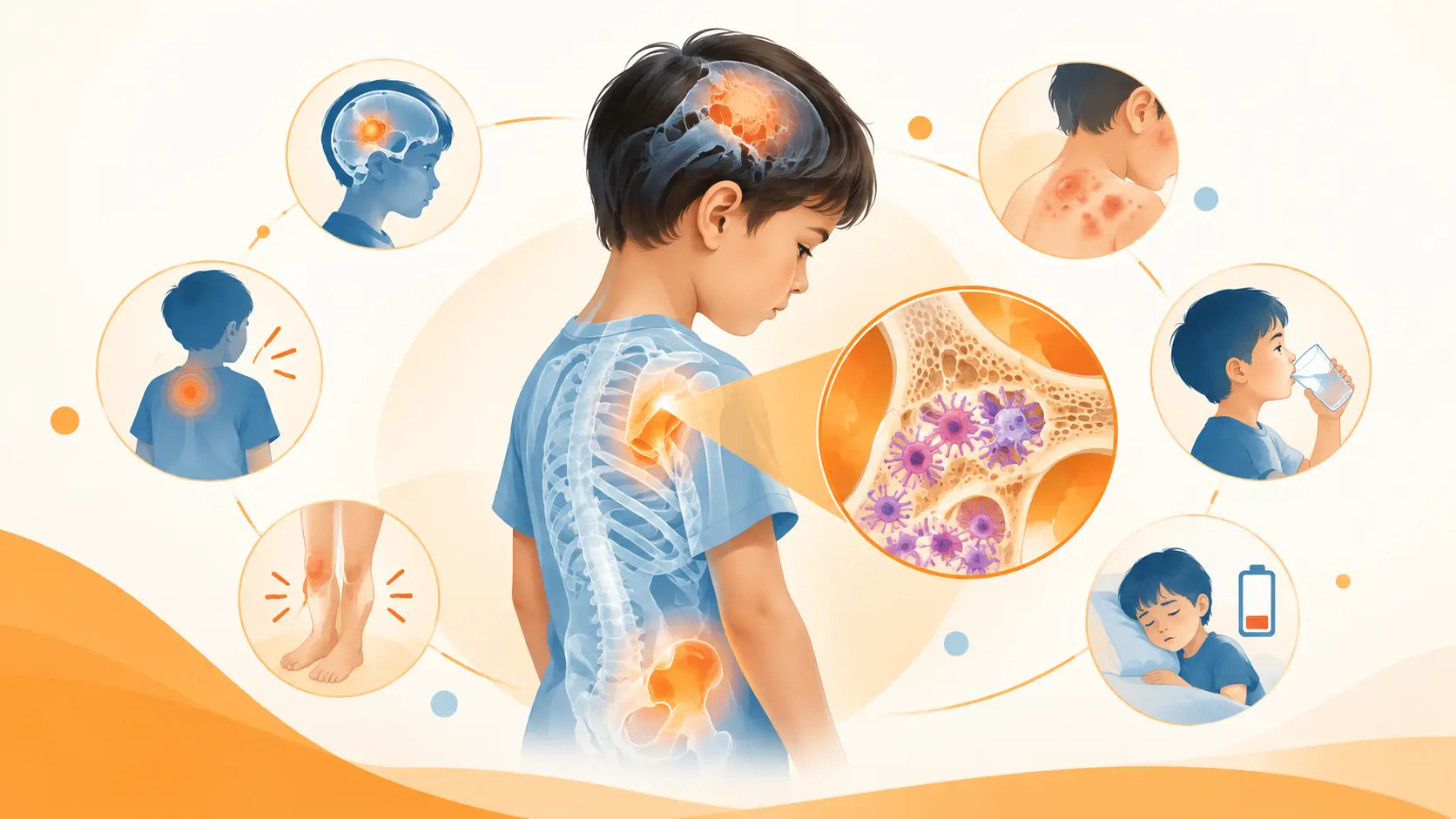
For children in Delhi NCR diagnosed with LCH or undergoing evaluation for suspected LCH, consultation with an experienced paediatric haemato-oncologist is important for accurate diagnosis, risk assessment, treatment planning, and long-term follow-up.
Reach Out for Expert Care
What Is Langerhans Cell Histiocytosis?
Langerhans Cell Histiocytosis is a rare disease involving abnormal Langerhans cells, which are specialised dendritic cells involved in the body’s immune response.
In LCH, genetic changes affecting cellular signalling pathways can cause abnormal LCH cells to multiply and accumulate in tissues. Changes involving the BRAF, MAP2K1, RAS, and ARAF genes have been identified in some patients.
LCH can affect one organ or multiple body systems. In children, the bone is one of the most commonly affected sites, although LCH may also involve the skin, lymph nodes, endocrine system, liver, spleen, lungs, bone marrow, and central nervous system.
What Are the Symptoms of Langerhans Cell Histiocytosis in Children?
The symptoms of LCH depend on which organs or body systems are affected. Some children may have localised symptoms, while multisystem disease can cause more general symptoms.
Common Langerhans Cell Histiocytosis symptoms in children may include:
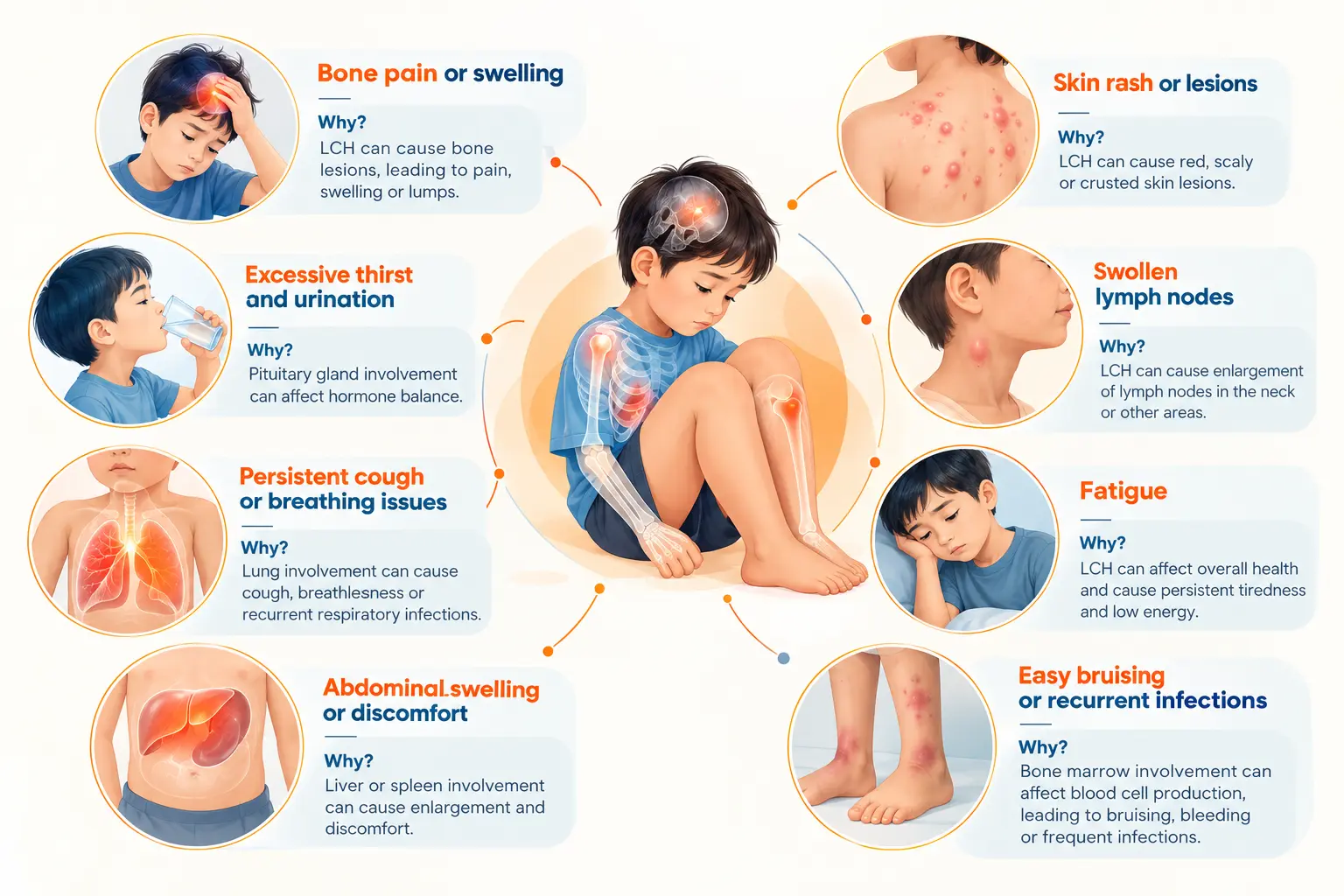
– Persistent bone pain or tenderness
– Swelling or a lump over a bone
– Bone lesions involving the skull, jaw, ribs, spine, pelvis, or long bones
– Persistent or unusual skin rash
– Scaly, crusted, or ulcerated skin lesions
– Swollen lymph nodes
– Swollen or painful gums
– Loose or prematurely lost teeth
– Excessive thirst and frequent urination
– Slow growth or hormonal abnormalities
– Persistent cough or breathing difficulties
– Abdominal swelling or discomfort
– Unexplained fever
– Fatigue or weakness
– Easy bruising, bleeding, or recurrent infections when the bone marrow is involved
For example, LCH affecting the pituitary gland can cause excessive thirst and frequent urination, while bone involvement can cause painful swelling or lumps. Bone marrow involvement may result in anaemia, bruising, bleeding, or recurrent infections.
What Causes Langerhans Cell Histiocytosis?
The exact cause of Langerhans Cell Histiocytosis is not completely understood.
Research has identified changes in signalling pathways that control the growth and survival of cells. Mutations involving genes may be present in some children with LCH. Having a potential risk factor does not mean that a child will develop LCH, and some children develop the condition without an identifiable risk factor.
It is also important to note that LCH is not considered a contagious disease, and it cannot be spread from one child to another.
How Is Langerhans Cell Histiocytosis Diagnosed?
An LCH diagnosis involves confirming the presence of abnormal LCH cells and determining which organs or body systems are affected.
The evaluation may include:
- Medical History and Physical Examination
- Biopsy
- Blood Tests
- Imaging
- Hormonal and Endocrine Tests
When the pituitary or endocrine system may be affected, children may require hormonal evaluation and urine testing.
- Molecular Testing
The purpose of diagnosis is not only to confirm LCH but also to determine the extent and risk category of the disease, which helps guide treatment.
What Are the Types of Langerhans Cell Histiocytosis?
LCH is commonly classified according to how many organs or body systems are involved.
-
Single-System LCH
Single-system LCH affects one organ or body system. Bone is a common site of single-system LCH in children.
Depending on the location and characteristics of the lesion, treatment may involve observation, local treatment, surgery in selected situations, or systemic therapy.
-
Multisystem LCH
Multisystem LCH occurs when two or more organs or body systems are affected.
Multisystem LCH requires careful evaluation because the treatment approach depends on the organs involved and the severity of disease.
LCH involving the liver, spleen, or bone marrow is considered higher-risk disease and may require more intensive treatment and monitoring.
Langerhans Cell Histiocytosis Treatment in Delhi NCR
Langerhans Cell Histiocytosis treatment in Delhi NCR is planned according to the individual child’s disease pattern. There is no single treatment that is appropriate for every child with LCH.
Treatment options may include:
- Observation
Some children with limited disease may be closely monitored without immediate systemic treatment. Regular follow-up is important because LCH can reactivate in some children.
- Surgery
Surgery may be considered in selected cases, particularly for certain localised bone lesions. The extent of surgery depends on the location and characteristics of the lesion.
- Chemotherapy
Chemotherapy for LCH in children may be recommended when the disease is multisystem, symptomatic, progressive, or requires systemic treatment.
The specific medicines and duration depend on the child’s disease classification and response to therapy. Children with high-risk multisystem LCH may require more intensive treatment.
- Steroid Therapy
Steroid medicines may be used as part of systemic treatment or for selected LCH lesions, depending on the disease pattern.
- Targeted Therapy
Some children with LCH have specific genetic changes that can potentially be targeted with precision medicines.
Treatment for High-Risk LCH
Children with multisystem LCH involving high-risk organs such as the liver, spleen, or bone marrow require careful monitoring and specialised treatment.
Treatment may include systemic chemotherapy, targeted therapy, or other advanced approaches depending on the individual clinical situation.
- Stem Cell Transplant
Stem cell transplantation is not required for every child with LCH. It may be considered in selected cases of severe, refractory, progressive, or recurrent disease when other treatments have not adequately controlled the condition.
Long-Term Care for Children With LCH
The management of LCH does not always end when the initial disease responds to treatment.
Depending on the organs previously affected, follow-up may include monitoring of:
– Growth and development
– Bone health
– Hormonal and endocrine function
– Liver and spleen function
– Blood counts
– Neurological symptoms
– Skin and bone lesions
– Disease reactivation
– Long-term effects of treatment
A multidisciplinary paediatric team may be involved when LCH affects several organs or causes complications.
Why Consult a Paediatric Haemato-Oncologist for LCH Treatment in Delhi?
Langerhans Cell Histiocytosis can range from a localised condition affecting a single bone or the skin to complex multisystem disease. Correctly identifying the extent of disease is therefore an important part of treatment planning.
Dr. Satyendra Katewa is a Paediatric Haemato-Oncologist and BMT specialist in Delhi, with over 25 years of experience in paediatric haematology and oncology. His practice focuses on the diagnosis and management of childhood blood disorders, cancers, and complex haematological conditions.
Children with LCH may require coordination between paediatric haematology-oncology and other specialties depending on the organs involved. The NCI also recommends specialist multidisciplinary care for children with LCH.
Dr. Katewa consults at Max Super Speciality Hospital, Patparganj, Delhi, and video consultations are also available.
Book a Consultation for LCH Treatment in Delhi NCR
If your child has been diagnosed with Langerhans Cell Histiocytosis (LCH) or is undergoing investigations for suspected LCH, timely specialist evaluation can help establish the extent of disease and determine an appropriate treatment plan.
Dr. Satyendra Katewa provides specialised paediatric haemato-oncology care in Delhi, including evaluation and management of complex childhood blood disorders and cancers.
Book a consultation to discuss your child’s LCH diagnosis, investigations, treatment options, and long-term care.
Frequently Asked Questions
Which doctor treats Langerhans Cell Histiocytosis in children? expand_more
A paediatric haemato-oncologist with experience in childhood LCH should coordinate the evaluation and treatment of Langerhans Cell Histiocytosis in children
Can LCH affect a child's growth or hormones? expand_more
Yes. LCH involving the pituitary or endocrine system can cause hormonal problems, including excessive thirst and urination, changes in growth, and abnormalities in puberty.
Does every child with LCH need chemotherapy? expand_more
No. Treatment depends on the extent and location of disease. Some children may be monitored or receive local treatment, while others with multisystem or progressive disease may require systemic therapy.
Is Langerhans Cell Histiocytosis a cancer? expand_more
LCH is a complex disease. The NCI describes it as a rare disorder and notes that it is not fully established whether LCH should be classified as a form of cancer or a cancer-like disease. Cancer specialists may treat LCH, and some cancer therapies are used in its management.
What are the first symptoms of LCH in children? expand_more
Common symptoms can include unexplained bone pain or swelling, persistent skin lesions, swollen lymph nodes, excessive thirst and urination, fever, fatigue, or symptoms related to the organ involved.

Dr. Satyendra Katewa's Medical Content Team
Dr. Satyendra Katewa’s medical content team specialises in developing accurate, evidence-based, and patient-focused healthcare content. With strong clinical insight and expertise in medical writing and SEO, the team simplifies complex haematology and oncology information into clear, trustworthy resources that support informed decision-making and reflect Dr. Katewa’s commitment to ethical, compassionate care.
This content is reviewed by Dr. Satyendra Katewa
 WhatsApp