
Primary Immunodeficiency Disorders Treatment in Delhi
Primary Immunodeficiency Disorders (PIDs) are inherited conditions in which part of the immune system does not function properly, making children and adults vulnerable to severe, or unusual infections.
Primary immunodeficiency disorders are managed through specialised immunology and haematology care focused on early diagnosis, structured immune evaluation, and long-term infection prevention.
Timely consultation with a primary immunodeficiency specialist ensures accurate diagnosis, targeted therapy, and prevention of complications such as lung damage, autoimmune disease, and chronic inflammation.
If your child has recurrent infections, poor immunity, or repeated hospitalizations, early evaluation is essential. If you are searching for Haemato Oncology & BMT Doctor in India, consult a Pediatric Hematologist in Delhi-NCR for accurate diagnosis, personalized treatment, and expert long-term care.
Reach Out for Expert Care
What Are Primary Immunodeficiency Disorders?
Primary immunodeficiency disorders are genetic immune system disorders present from birth. Unlike secondary immunodeficiency (caused by infections, chemotherapy, or chronic illness), PIDs result from inherited defects in immune cells or antibodies.
The immune system includes:
- B cells and T cells
- Neutrophils and phagocytes
- Immunoglobulins (IgG, IgA, IgM)
- Complement proteins
- Bone marrow and lymphatic tissues
When these components are defective, patients may experience:
- Recurrent ear, sinus, or lung infections
- Poor recovery from common illnesses
- Severe viral or fungal infections
- Autoimmune symptoms
- Poor weight gain in children
Early diagnosis of primary immunodeficiency disorders prevents irreversible organ damage and improves survival outcomes.
When Should You Consult a Primary Immunodeficiency Specialist in Delhi?
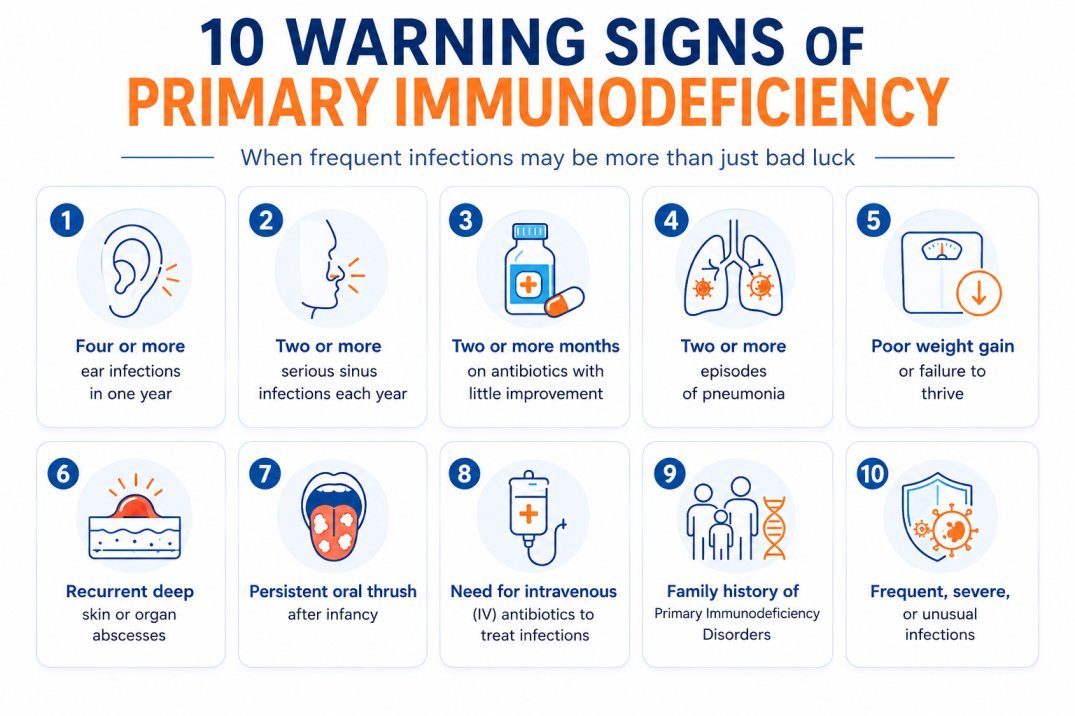
You should seek immune deficiency treatment in Delhi if you notice:
- More than 8 ear infections in one year (children)
- Two or more serious sinus infections annually
- Persistent pneumonia
- Repeated need for antibiotics
- Failure to thrive in infants
- Family history of immune disorders
- Unexplained autoimmune disease
If infections are frequent, severe, or difficult to treat, an immunology specialist consultation is recommended.
As a Child Blood Disorder Specialist, Dr. Satyendra Katewa evaluates inherited immune disorders and recurrent infections.
Comprehensive Diagnostic Evaluation for Primary Immunodeficiency Disorders
Diagnosis of primary immunodeficiency disorders requires structured and advanced testing, including:
- Complete Blood Count (CBC)
- Quantitative Immunoglobulin Levels
- Lymphocyte Subset Analysis
- Vaccine Response Testing
- Complement System Assessment
- Flow Cytometry
- Genetic Testing for Immune Disorders
- Bone Marrow Evaluation (selected cases)
Accurate diagnosis allows personalised immune deficiency treatment rather than repeated symptomatic management.
Children requiring advanced treatment may benefit from evaluation by a Pediatric Bone Marrow Transplant Specialist in Delhi NCR.
Types of Primary Immunodeficiency Disorders
There are more than 400 identified PIDs. Common categories include:
1. Antibody Deficiencies
These are the most common forms of PID and include:
- Common Variable Immunodeficiency (CVID)
- X-linked agammaglobulinemia
- Selective IgA deficiency
Treatment: Immunoglobulin replacement therapy (IVIG or SCIG).
2. Combined Immunodeficiency Disorders
These affect both B cells and T cells.
Example:
- Severe Combined Immunodeficiency (SCID)
Treatment may include:
- Bone marrow transplant
- Immunoglobulin therapy
- Infection prevention protocols
3. Phagocytic Disorders
These affect neutrophils and the body’s ability to kill bacteria.
Example:
- Chronic Granulomatous Disease
Management includes:
- Long-term antibiotics
- Antifungal therapy
- Immunomodulatory treatment
4. Complement Deficiencies
These disorders increase susceptibility to specific bacterial infections.
Treatment focuses on:
- Vaccination
- Preventive antibiotics
- Monitoring
5. Immune Dysregulation Disorders
These may present with autoimmune symptoms along with infections.
Treatment includes:
- Immunosuppressive therapy
- Targeted biologic medications
Possible Complications of Untreated Primary Immunodeficiency
Untreated Primary Immunodeficiency Disorders may lead to:
- Permanent lung damage (bronchiectasis)
- Recurrent pneumonia
- Chronic sinus disease
- Autoimmune disorders
- Poor growth and development
- Organ damage
- Increased risk of severe infections
Advanced Treatment Options for Primary Immunodeficiency Disorders in Delhi
Management of Primary Immunodeficiency Disorders focuses on strengthening immunity, reducing infection risk, and improving long-term quality of life.
Immunoglobulin Replacement Therapy (IVIG Therapy in Delhi)
For many children diagnosed with antibody deficiencies, Immunoglobulin (Ig) replacement therapy helps strengthen the immune system by providing healthy antibodies collected from screened donors.
Benefits include:
- Fewer infections
- Reduced hospital admissions
- Better growth and development
- Improved quality of life
- Long-term protection against serious bacterial infections
Depending on the condition, Ig replacement may be given intravenously (IVIG) or subcutaneously (SCIG).
Subcutaneous Immunoglobulin Therapy (SCIG)
SCIG therapy is a home-based alternative given in smaller weekly doses.
Advantages:
- Stable antibody levels
- Fewer systemic reactions
- Greater convenience
- Reduced hospital visits
Bone Marrow Transplant (Selected Cases)
For severe immune deficiencies such as SCID, a Bone Marrow Transplant (BMT) may offer a potential cure by rebuilding a functional immune system using healthy donor stem cells.
Early diagnosis significantly improves transplant outcomes.
Infection Prevention Strategy
Management also includes:
- Planned non-live vaccinations
- Preventive antibiotics (when required)
- Nutritional support
- Regular immune monitoring
With early diagnosis and specialised care in Delhi, most PID patients can lead stable, healthier lives under expert supervision.
Primary Immunodeficiency Treatment Cost in Delhi
The cost of immune deficiency treatment in Delhi depends on the condition type and therapy required:
- Diagnostic Evaluation: ₹10,000 – ₹40,000
- IVIG Therapy (per cycle): ₹40,000 – ₹1,50,000 (based on weight and dosage)
- Advanced Genetic Testing: ₹25,000 – ₹1,00,000
- Bone Marrow Transplant (if required): ₹15,00,000 – ₹30,00,000+
Patients should discuss personalised treatment plans and cost estimates during consultation.
When Should Parents Suspect Primary Immunodeficiency?
Many children experience occasional infections while growing up. However, frequent, severe, recurrent or unusual infections may indicate an underlying Primary Immunodeficiency Disorder rather than a weak immune system. Early evaluation by a Pediatric Hematologist can help identify immune defects before irreversible complications develop.
Can Bone Marrow Transplant Cure Primary Immunodeficiency Disorders?
For certain severe Primary Immunodeficiency Disorders such as Severe Combined Immunodeficiency (SCID), Wiskott-Aldrich Syndrome, Chronic Granulomatous Disease and several inherited immune disorders, Bone Marrow Transplant (BMT) offers the possibility of a permanent cure.
During transplantation, defective immune cells are replaced with healthy stem cells from a suitable donor, allowing the child to develop a functioning immune system.
Why Choose Dr. Satyendra Katewa for Primary Immunodeficiency Disorders in Delhi?
Dr. Satyendra Katewa is a specialist in paediatric haemato-oncology and immune system disorders with experience in managing complex bone marrow and immunological conditions.
Patients choose him for:
- Expertise in pediatric hematology and immunology
- Experience in managing inherited immune deficiencies
- Advanced Bone Marrow Transplant expertise
- Comprehensive long-term follow-up
His approach focuses on early identification, preventing recurrent infections, and improving immune resilience safely and systematically.
Dr. Katewa is one of the trusted Hematologists in Delhi-NCR with expertise in managing complex pediatric blood disorders, immune deficiencies, and bone marrow transplant care
Comprehensive Care for Children with Primary Immunodeficiency Disorders
Primary Immunodeficiency Disorders can cause recurrent infections, repeated hospitalisations, and long-term complications if left untreated. Early diagnosis, comprehensive immune evaluation, and personalised treatment can significantly improve your child’s health, growth, and quality of life.
If your child experiences frequent or severe infections, don’t ignore the warning signs. Consult Dr. Satyendra Katewa, a Pediatric Hematologist in Delhi-NCR and Child Blood Cancer Specialist, for a comprehensive evaluation and an individualized treatment plan.
Schedule your consultation today and take the first step toward stronger immunity and better health.
Medical Disclaimer: This content is for informational purposes only and does not replace professional medical consultation. Please consult a qualified immunology or haematology specialist for personalised diagnosis and treatment.
Frequently Asked Questions
Is Primary Immunodeficiency the same as a weak immune system? expand_more
No. Primary Immunodeficiency Disorders are inherited conditions caused by defects in the immune system. A "weak immune system" can also develop due to infections, medications, chemotherapy, or other illnesses (secondary immunodeficiency).
At what age is Primary Immunodeficiency usually diagnosed? expand_more
Primary Immunodeficiency Disorders are often diagnosed during infancy or early childhood because of recurrent or severe infections. However, milder forms may not become apparent until adolescence or adulthood.
Can children with Primary Immunodeficiency attend school and live a normal life? expand_more
Yes in many cases with appropriate treatment, regular follow-up, infection prevention, and good medical care, many children with Primary Immunodeficiency can attend school, participate in daily activities, and lead active, healthy lives. The treatment plan depends on the type and severity of the disorder.
Is Primary Immunodeficiency hereditary? expand_more
Yes. Most Primary Immunodeficiency Disorders are caused by inherited genetic mutations and may run in families. Genetic counselling and testing may be recommended, particularly if there is a family history of immune disorders or unexplained childhood infections.
Which tests are used to diagnose Primary Immunodeficiency Disorders? expand_more
Diagnosis may involve a combination of blood tests, including complete blood count (CBC), immunoglobulin levels, lymphocyte subset analysis, vaccine response testing, complement testing, flow cytometry, and genetic testing.
Which doctor treats Primary Immunodeficiency Disorders? expand_more
A Pediatric Hematologist, Pediatric Immunology Specialist, and Bone Marrow Transplant Specialist diagnose and manage Primary Immunodeficiency Disorders. If you're searching for a Pediatric Hematologist near me, you can consult Dr. Satyendra Katewa for the management of recurrent infections, inherited immune disorders, and pediatric blood conditions, with treatment tailored to your child's needs.

Dr. Satyendra Katewa's Medical Content Team
Dr. Satyendra Katewa’s medical content team specialises in developing accurate, evidence-based, and patient-focused healthcare content. With strong clinical insight and expertise in medical writing and SEO, the team simplifies complex haematology and oncology information into clear, trustworthy resources that support informed decision-making and reflect Dr. Katewa’s commitment to ethical, compassionate care.
This content is reviewed by Dr. Satyendra Katewa
Related Blogs

Early Signs of Deep Vein Thrombosis in Children
Deep vein thrombosis (DVT) is a blood clot that forms in a deep vein, usually…
Read Article →
Best Paediatric Haemato-Oncologists in Delhi
When a child is referred to a cancer or blood disorder specialist, it can be…
Read Article → WhatsApp