
Non-Hodgkin Lymphoma Treatment in Delhi
Non-Hodgkin lymphoma (NHL) is a type of lymphoma that affects the lymphatic system, the body’s infection-fighting network. In the NHL, specific white blood cells (lymphocytes) grow abnormally and lose their ability to protect the body. These cancerous cells multiply rapidly, forming lumps in lymph nodes or organs, weakening the immune system, and causing persistent symptoms such as fever, swelling, or infections.
With timely diagnosis and expert care from Dr. Satyendra Katewa, one of Delhi’s leading pediatric hemato-oncologists and BMT specialists, children and young adults with NHL often achieve excellent outcomes. Modern therapies, including targeted drugs, chemotherapy for non-Hodgkin lymphoma, and immunotherapy, have significantly improved survival rates.
Reach Out for Expert Care
What Is Non-Hodgkin Lymphoma?
Non-Hodgkin lymphoma is a blood cancer that starts in lymphocytes, a type of white blood cell that helps fight infections. Due to genetic changes, these cells grow uncontrollably and form tumors in:
- lymph nodes
- the abdomen or chest
- bone marrow
- other organs like the liver or spleen
Unlike Hodgkin lymphoma, NHL does not have Reed–Sternberg cells. This key difference helps doctors diagnose NHL and decide appropriate treatment.
NHL can be aggressive (fast-growing) or indolent (slow-growing), and early evaluation is essential for planning appropriate care.
Types and Categories of Non-Hodgkin Lymphoma
Non-Hodgkin lymphoma includes many subtypes. Identifying the type helps determine the best treatment approach and the likely outcome.
- B-Cell Non-Hodgkin Lymphoma (Most Common in Children)
These cancers begin in B-lymphocytes and often respond very well to treatment. Common subtypes include:
- Burkitt Lymphoma – A very fast-growing B-cell lymphoma that is highly curable with early, intensive treatment.
- Diffuse Large B-Cell Lymphoma (DLBCL) – A common aggressive lymphoma that causes rapidly enlarging lymph nodes.
- Lymphoblastic Lymphoma – A high-grade lymphoma arising from immature lymphoblasts, commonly seen in children and teens.
- Primary Mediastinal B-Cell Lymphoma – An aggressive lymphoma that starts in the mediastinum (chest area) and forms a large mass.
- T-Cell Non-Hodgkin Lymphoma
Less common but seen in some children. These include:
- Anaplastic Large Cell Lymphoma (ALCL) – A type of T-cell lymphoma characterized by large abnormal cells and often associated with ALK gene changes.
- Peripheral T-Cell Lymphoma – A group of aggressive lymphomas that arise from mature T-cells and often present with widespread symptoms.
Dr. Katewa tailors treatment based on subtype, age, genetic markers, and overall health to ensure the safest and most effective outcome.
Stages of Non-Hodgkin Lymphoma
Staging helps doctors understand how far the cancer has spread and plan treatment accordingly. NHL is staged using the internationally accepted Lugano system:
Stage I
Cancer is in one lymph node region or one area outside the lymph nodes.
Stage II
Cancer is in two or more lymph node regions on the same side of the diaphragm (either upper or lower body).
Stage III
Lymph nodes on both sides of the diaphragm are involved. It may also affect the spleen or nearby organs.
Stage IV
Cancer has spread to multiple organs, including the liver, lungs, bone marrow, and central nervous system (CNS).
Even in advanced stages, many children respond exceptionally well to modern non-Hodgkin lymphoma treatment in India, primarily when managed early by an experienced pediatric hemato-oncologist.
Non-Hodgkin Lymphoma Symptoms and Early Warning Signs
Early symptoms may resemble an infection, which is why many families overlook initial signs. Early detection helps ensure faster recovery and reduces treatment intensity.
Common Symptoms Include:
- Painless swelling of lymph nodes (neck, armpits, groin)
- Unexplained fever or repeated infections
- Night sweats
- Loss of appetite or weight loss
- Persistent fatigue
- Breathing difficulty or chest discomfort (when chest nodes enlarge)
- Abdominal swelling or pain
- Skin rash or itching (more common in certain NHL types)
If these symptoms persist for more than 2–3 weeks, a detailed evaluation by a hemato-oncologist is recommended.
With early diagnosis and expert treatment from Dr. Katewa, many children with NHL achieve long-lasting remission and return to everyday, healthy lives.
Causes and Risk Factors of Non-Hodgkin Lymphoma (NHL)
The exact cause of non-Hodgkin lymphoma is not fully known, but certain factors can increase the chances of developing this blood cancer. These risks do not guarantee that someone will get NHL; they only suggest a higher likelihood in some individuals.
- Weakened Immune System
NHL is more common in people whose immune system is not functioning fully, such as:
- Children or adults with immune deficiency disorders
- Patients taking long-term immunosuppressive medicines after an organ transplant
- Individuals with HIV infection
A weaker immune system makes it harder for the body to control abnormal lymphocyte growth.
- Infections Linked with NHL
Some infections can trigger long-term changes in immune cells:
- Epstein–Barr Virus (EBV)
- H. pylori (linked to certain gastric lymphomas)
- Hepatitis B or C
- HTLV-1 (rare viral infection)
These infections don’t cause lymphoma directly, but they increase the risk in specific situations.
- Family History
Having a parent or sibling with lymphoma slightly increases the risk, suggesting a genetic predisposition in some families.
- Age and Gender
- NHL can occur at any age, but is more common in older adults.
- Specific pediatric subtypes are seen in children and adolescents.
- Some forms of NHL are slightly more common in males.
- Autoimmune Disorders
Children or adults with conditions like:
- Rheumatoid arthritis
- Celiac disease
- Lupus
may have a higher risk due to chronic immune activation.
- Chemical Exposure
Long-term exposure to:
- Pesticides
- Herbicides
- Industrial chemicals (solvents)
may raise the risk, though evidence varies.
- Prior Radiation or Chemotherapy
Children or adults who previously received treatment for another cancer may have a slightly increased risk of developing NHL later in life.
- Obesity
Some studies suggest obesity may increase the likelihood of certain NHL subtypes.
Important Note
Non-Hodgkin lymphoma is NOT contagious.
It does not spread from person to person through physical contact, air, food, or water.
Diagnosis and Medical Tests for Non-Hodgkin Lymphoma (NHL) Treatment
Accurate and timely diagnosis is the first step toward effective treatment for non-Hodgkin lymphoma. At Dr. Satyendra Katewa’s center, every child undergoes a thorough evaluation based on NCCN, ICMR, and global oncology guidelines to ensure safe, precise, and personalised care.
Common Diagnostic Tests for Non-Hodgkin Lymphoma
- Lymph Node Biopsy
A biopsy is the gold-standard test for confirming non-Hodgkin lymphoma. It helps determine the exact type of NHL, such as B-cell or T-cell lymphoma, which is essential for planning treatment. - Immunohistochemistry (IHC) & Flow Cytometry
These advanced tests identify specific cell markers, helping classify the lymphoma subtype accurately (e.g., Burkitt lymphoma, diffuse large B-cell lymphoma, lymphoblastic lymphoma). This ensures each patient receives the most effective therapy. - PET-CT or CT Scan
Imaging scans help determine the spread of lymphoma in lymph nodes, chest, abdomen, liver, spleen, or bone marrow. PET-CT is beneficial for staging and assessing treatment response. - Blood Tests
Blood investigations include complete blood count, LDH levels, kidney/liver function tests, and infection screening. These tests help assess overall health and readiness for chemotherapy or immunotherapy. - Bone Marrow Examination
Recommended when lymphoma is suspected to involve the bone marrow. This helps complete staging and guides treatment intensity. - Genetic and Molecular Testing
Certain aggressive lymphomas require genetic testing (e.g., MYC, BCL2, BCL6) to select the most appropriate treatment plan and predict response.
Every family receives a clear explanation of reports and next steps, ensuring transparency, comfort, and confidence throughout the diagnosis process.
Is Non-Hodgkin Lymphoma Curable?
Yes. Many forms of non-Hodgkin lymphoma, especially in children, are highly curable with modern treatment protocols. With early diagnosis and specialised care under a pediatric onco-hematologist like Dr. Satyendra Katewa, long-term survival rates are excellent for ordinary childhood NHL types, including Burkitt lymphoma, lymphoblastic lymphoma, and diffuse large B-cell lymphoma.
Treatment Options for Non-Hodgkin Lymphoma (NHL)
Treatment for non-Hodgkin lymphoma is tailored to the lymphoma type, stage, and the patient’s overall health. At Dr. Satyendra Katewa’s center, every child receives evidence-based, personalized, and child-friendly care using globally approved oncology protocols.
- Chemotherapy for Non-Hodgkin Lymphoma
Chemotherapy is one of the main treatments for NHL. Dr. Katewa selects the safest and most effective drug combinations based on the lymphoma subtype (such as Burkitt lymphoma, diffuse large B-cell lymphoma, lymphoblastic lymphoma).
Chemotherapy helps:
- destroy fast-growing lymphoma cells
- reduce lymph node swelling
- prevent the disease from spreading
Advanced regimens are planned carefully to ensure maximum benefit with minimal long-term side effects.
- Immunotherapy
Immunotherapy boosts the body’s own defence system to fight NHL more effectively. Children may receive:
- Monoclonal antibodies (e.g., Rituximab) that target specific lymphoma cells
- CAR T-cell therapy (in select cases) when standard treatments don’t respond
These modern therapies increase precision, reduce toxicity, and improve survival in many types of B-cell NHL.
- Targeted Therapy
Targeted drugs block specific proteins or pathways that help lymphoma grow. These therapies:
- stop cancer growth
- protect healthy cells
- work well in relapsed or high-risk disease
They are often combined with chemotherapy for better results.
- Radiation Therapy
Radiation is used only in selected cases of NHL, especially when:
- a particular lymph node group is bulky
- the disease is localized
- symptoms need rapid relief
Modern radiation techniques ensure the surrounding healthy tissues, especially in children, remain protected.
- Bone Marrow / Stem Cell Transplant
A stem cell transplant may be recommended for:
- relapsed NHL
- high-risk aggressive lymphomas
- cases needing high-dose chemotherapy
The procedure replaces damaged bone marrow with healthy stem cells, restoring normal immunity and improving long-term disease control.
Dr. Katewa is a specialist in pediatric bone marrow transplantation, ensuring safe and successful outcomes.
6. Supportive & Holistic Care
Supportive care is a crucial part of NHL treatment, helping children stay strong throughout therapy. It includes:
- infection prevention
- nutritional support
- pain and symptom management
- emotional and psychological counseling
- growth and development monitoring
This integrated approach helps children tolerate treatment better and maintain a good quality of life.
Non-Hodgkin Lymphoma in Children
Non-Hodgkin lymphoma (NHL) is one of the most common childhood cancers, and with timely, expert care, the majority of children achieve excellent outcomes. Pediatric NHL behaves differently from adult NHL; it grows faster but also responds extremely well to modern therapies such as chemotherapy, immunotherapy, and targeted treatments.
At Dr. Satyendra Katewa’s center, each child receives a carefully designed treatment plan that focuses not only on cure but also on long-term health, growth, and development. With advanced protocols, supportive care, and continuous monitoring, children safely complete therapy and return to normal life.
Why Choose Dr. Satyendra Katewa for Non-Hodgkin Lymphoma Treatment
- Leading Pediatric Hemato-Oncologist
Dr. Satyendra Katewa is a highly experienced specialist in childhood blood cancers, including all types of non-Hodgkin lymphoma. He follows globally accepted treatment protocols (NCCN, ICMR, COG), ensuring safe, accurate, and effective care.
- Expertise in Chemotherapy, Immunotherapy & Targeted Therapy
Children receive personalized treatment based on NHL type, stage, and risk category. Advanced therapies such as monoclonal antibodies, immunotherapy, and targeted medicines are used to improve cure rates while reducing side effects.
- Advanced Diagnostic Facilities
State-of-the-art diagnostics, including PET-CT, molecular testing, and biopsy evaluation, help determine the exact type of NHL and guide the most precise treatment plan.
- High Success Rates in Childhood NHL
Most children with NHL achieve long-term survival and remission with timely treatment. Care is designed to minimize long-term side effects, protect fertility, and ensure healthy physical and emotional development.
- Comprehensive Pediatric Cancer Care Under One Roof
Families receive complete support, including:
- chemotherapy and immunotherapy
- infection control and supportive care
- nutritional guidance
- psychosocial counseling
- survivorship and long-term follow-up
This integrated approach makes the journey smoother and less stressful for both the child and family.
- Family-Centered Communication
Parents receive clear explanations at every step, diagnosis, treatment decisions, expected responses, and follow-up care. Transparency and compassion remain central to the entire treatment process.
- Trusted by Families Across India
Dr. Katewa has successfully treated numerous children with lymphoma, leukemia, and other hematological disorders, earning trust from families across Delhi, India, and international regions.
- Multidisciplinary Expertise
Close collaboration with radiologists, pathologists, pediatric intensivists, and transplant experts ensures complete, well-coordinated care for every child.
- Ethical, Evidence-Based & Child-Friendly Care
Treatment focuses on safety, accuracy, and long-term health, avoiding unnecessary tests, minimizing toxicity, and prioritizing emotional comfort.
“Every child deserves hope, healing, and honest care. Our mission is to provide exactly that.” – Dr. Satyendra Katewa
International Patients – NHL Treatment in India
Dr. Katewa’s team provides full support for international patients, including:
- Medical visa assistance and documentation
- Transparent treatment cost estimates and pre-arrival consultation
- Airport pickup and safe, comfortable accommodation
- Interpreter services for seamless communication
- Online follow-up consultations
Book an Appointment for Non-Hodgkin Lymphoma Consultation in Delhi
If you or your child has symptoms of NHL, early evaluation is crucial. Schedule a consultation with Dr. Satyendra Katewa to receive:
- Detailed diagnostic assessment
- Personalized treatment plan based on subtype and stage
- Guidance on recovery, nutrition, and follow-up care
Book Now: Take the first step toward safe, effective, and compassionate NHL care.
References & Medical Sources
- National Comprehensive Cancer Network (NCCN) Guidelines 2024 – Standard protocols for lymphoma diagnosis and treatment
- Indian Council of Medical Research (ICMR) – Hematology Protocols – National guidelines for blood cancer management in India
- American Cancer Society – Hodgkin and Non-Hodgkin Lymphoma Information
- World Health Organization (WHO) – Global data on blood cancers and lymphoma
All content on this page has been medically reviewed and verified by qualified hematology and oncology specialists to ensure accuracy, safety, and reliability.

Dr. Satyendra Katewa's Medical Content Team
Dr. Satyendra Katewa’s medical content team specialises in developing accurate, evidence-based, and patient-focused healthcare content. With strong clinical insight and expertise in medical writing and SEO, the team simplifies complex haematology and oncology information into clear, trustworthy resources that support informed decision-making and reflect Dr. Katewa’s commitment to ethical, compassionate care.
This content is reviewed by Dr. Satyendra Katewa
Related Conditions

Chronic Myeloid Leukaemia Treatment in Delhi
A diagnosis of Chronic Myeloid Leukaemia may feel frightening, but here’s the truth: CML is one of the most treatable…

Hodgkin Lymphoma Treatment in Delhi: Symptoms, Causes & Expert Care
Hodgkin lymphoma (Hodgkin’s disease) is a type of lymphoma cancer that affects the lymphatic system, the network that protects the…

Blood Cancer Treatment for International Patients in India
India is one of the most sought-after destinations for blood cancer treatment for international patients, offering chemotherapy, targeted therapy, immunotherapy, and…

Leukaemia Treatment in India for Iraq Patients
Many families from Iraq travel to India for leukaemia treatment every year. The reasons are simple: experienced specialists, advanced bone…

Blood Cancer Treatment in Delhi
A blood cancer diagnosis can feel unsettling. If you are facing blood cancer symptoms, a recent diagnosis, or searching for…
Acute Lymphoblastic Leukaemia Treatment in Delhi: Symptoms, Causes & Expert Care
A diagnosis of Acute Lymphoblastic Leukaemia (ALL) in your child or loved one can feel overwhelming, but there is genuine…
Related Blogs
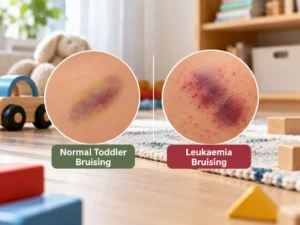
Normal Toddler Bruising vs Leukaemia Bruising: When to Worry
Bruises are common in toddlers. As children learn to walk, run, climb and explore, minor…
Read Article →
How to Get Financial Help for a Child’s Cancer Treatment in India
When a child is diagnosed with cancer, parents have to think about much more than…
Read Article →
Dark Circles Under a Child’s Eyes: Could It Be Leukaemia?
You notice dark circles under your child’s eyes and start wondering: Is this just tiredness,…
Read Article →
Most Common Childhood Cancers: Signs Every Parent Should Know
The most common childhood cancers include leukaemia, brain and spinal cord tumours, neuroblastoma, Wilms tumour,…
Read Article →
Life After Pediatric Bone Marrow Transplant: A Parent’s Complete Guide
Quick Summary Recovery takes months – The first 100 days at home are the most…
Read Article →
Early Signs of Deep Vein Thrombosis in Children
Deep vein thrombosis (DVT) is a blood clot that forms in a deep vein, usually…
Read Article → WhatsApp